Recent












China is set to launch the first satellite to directly image the Sun’s poles, a historic mission promising new insights into solar activity, space weather, and the Sun-Earth connection.

October 14, 2025
Source:
http://Spaceweather.com
Mission Overview
The Solar Polar-orbit Observatory (SPO), developed by the China National Space Administration, is set to launch in 2029. It marks a milestone in solar science by offering the world’s first direct images of the Sun’s north and south poles. The NASA/ESA Solar Orbiter (March 2025) provided a partial view of the south pole (ESA), but no prior mission has achieved a true polar orbit with imaging capabilities.
Why the Poles Matter
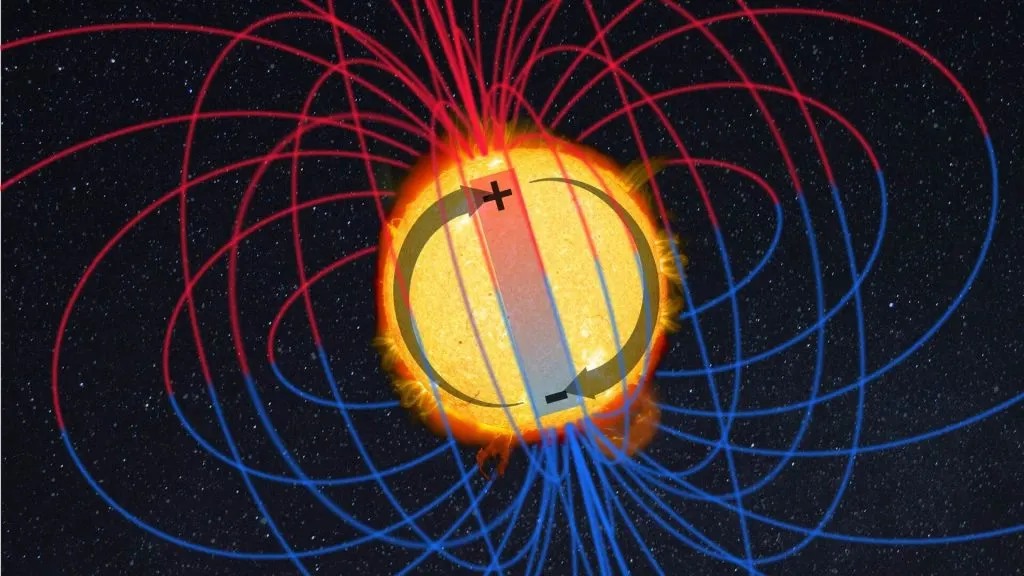
Solar Dynamics: The poles shape magnetic activity and influence the 11-year solar cycle.
Space Weather: Polar processes drive space weather, impacting satellites, astronauts, and power grids on Earth.
Keep up with the story. Subscribe to the PR+ free daily newsletter
Source:
ScienceDaily
How SPO Will Explore the Sun
Trajectory and Technology
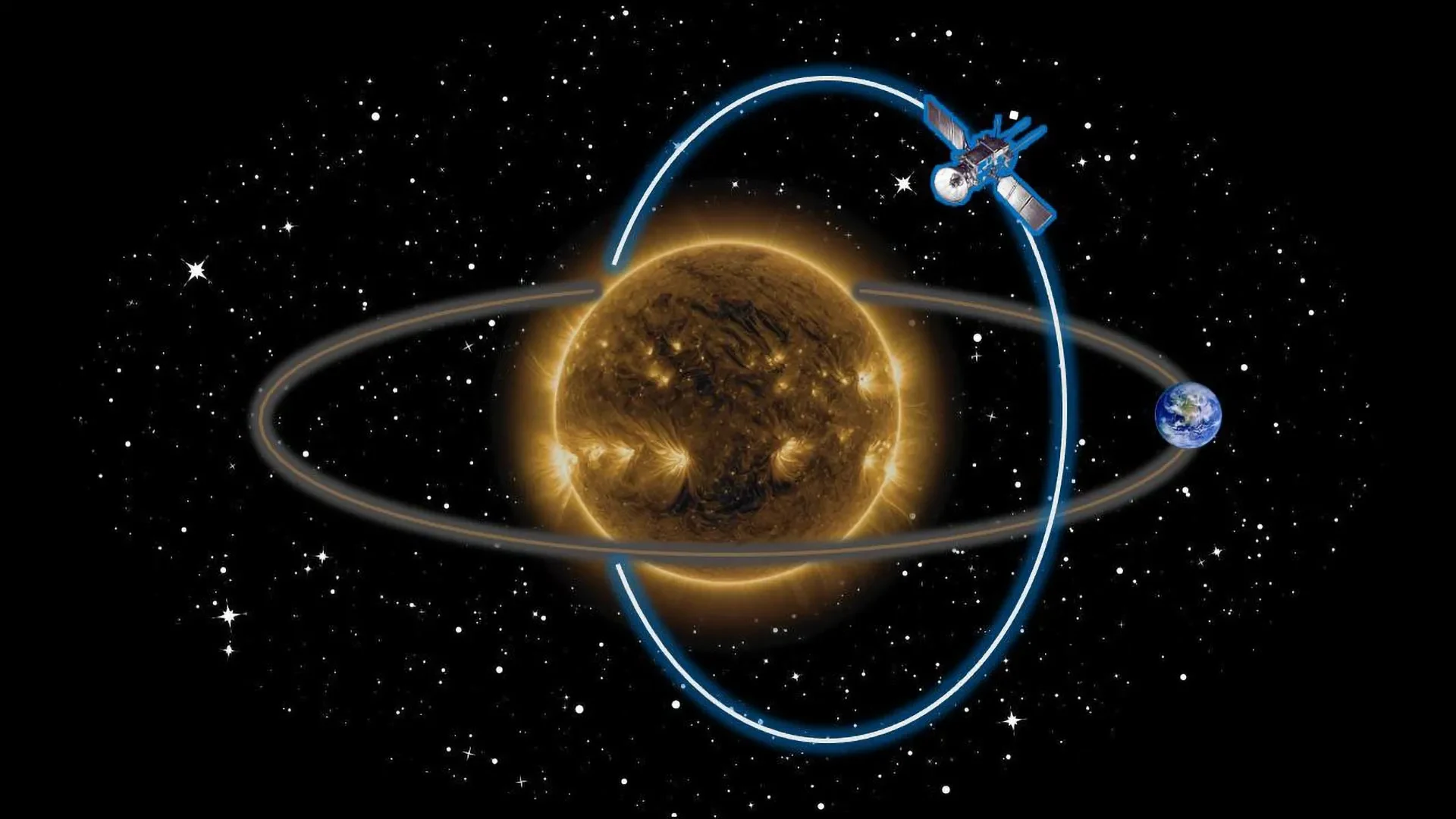
The SPO will use gravity assists from Earth and Jupiter. This complex maneuver will eject the craft from the flat plane of the solar system into a high-inclination orbit, passing directly over the Sun’s poles (Wikipedia).
Key Instruments
Ultraviolet and X-ray Telescopes: Designed for high-resolution images of polar regions.
Coronagraphs: Study the Sun’s outer atmosphere.
Radio Spectrometer: Records solar radio emissions.
Ion Analyzers and Magnetometer: Take in-situ measurements of particles and magnetic fields.
Significance: SPO will produce the first detailed "cloud map" of interplanetary space near the poles, offering critical new data for heliophysics (arXiv).
Read More


Source:
The Sun Today
Broader Implications and Scientific Goals
Understanding Solar Winds: SPO will help pinpoint the origins and flow of fast solar winds pouring from the poles.
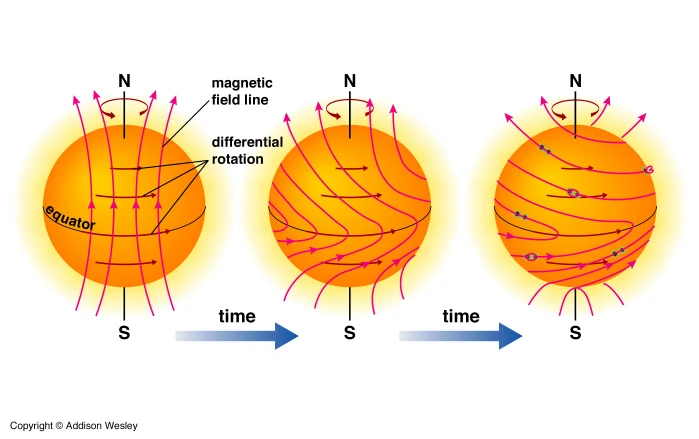
Magnetic Cycle Insights: Scientists will observe polar magnetic fields as they drive the Sun’s cycle and eruptions.
Space Weather Forecasts: Improved polar data will lead to better prediction tools, protecting technology on Earth (SSBCrack).
Conclusion
“By directly imaging the Sun’s mysterious poles, this mission will change our understanding of how the Sun works.”
For the latest images and updates, visit the ESA Solar Orbiter Gallery.
What new discoveries are expected from the SPO mission?
Scientists expect detailed images and measurements of the Sun’s poles, revealing the origins of fast solar winds and the structure of the solar magnetic field.
How will the SPO mission improve our understanding of space weather?
What instruments will the SPO mission use to study the Sun's poles?
How does the SPO mission compare to previous missions like Ulysses and Solar Orbiter?
What are the main challenges scientists face when studying the Sun's poles?
Share this news: