
Recent












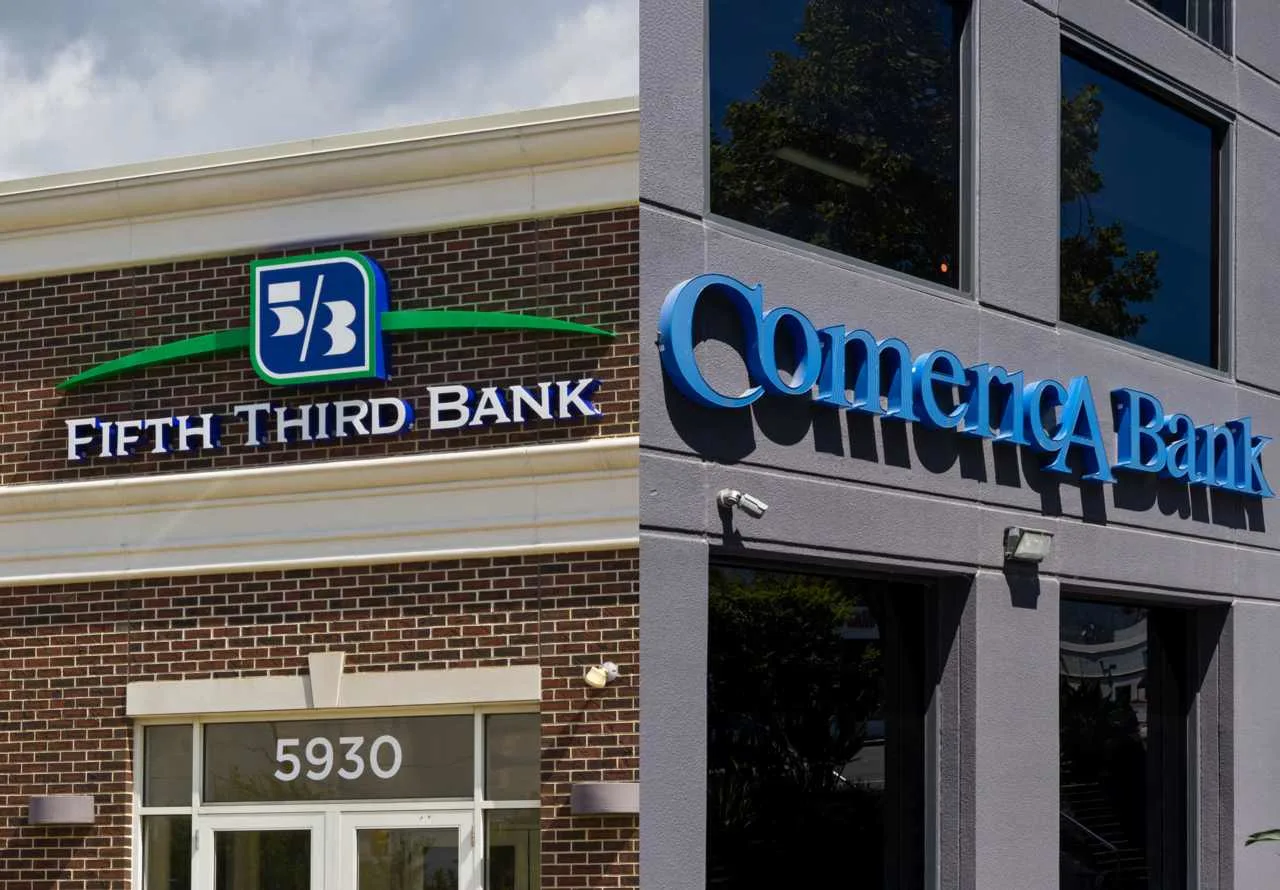
Fifth Third has announced an all-stock deal to buy Comerica for nearly $11 billion, a move that will form the ninth-largest bank in the United States and significantly expand its footprint into high-growth markets like Texas and California.

October 6, 2025

Source:
The Economic Times
Blockbuster Bank Merger Announced
Fifth Third Bancorp has announced a definitive agreement to acquire Comerica Incorporated in an all-stock transaction valued at approximately $10.9 billion. The deal marks one of the most significant consolidations in the U.S. banking sector this year.
The merger will create the ninth-largest bank in the United States, boasting combined assets of around $288 billion.
Deal Structure and Valuation
Under the terms of the agreement, which was detailed in a press release early Monday, Comerica shareholders will receive 1.8663 shares of Fifth Third stock for each share of Comerica they own. Based on Fifth Third's closing price on October 3, 2025, this values Comerica at $82.88 per share.
Total Value: Approx. $10.9 billion
Combined Assets: ~$288 billion
Ownership Split: Fifth Third shareholders will own about 73% of the new entity, with Comerica shareholders owning the remaining 27%.
The transaction has been approved by the boards of directors of both companies.
Keep up with the story. Subscribe to the PR+ free daily newsletter
Source:
MarketWatch
Strategic Expansion into Growth Markets
The acquisition is a key strategic move for Fifth Third, significantly accelerating its expansion into some of the nation's fastest-growing regions.
The combined bank will operate in 17 of the 20 fastest-growing U.S. markets.
Focus on Texas and California
A major driver for the deal is gaining a substantial presence in Texas, a market where Comerica has strong roots. The merger also provides a significant entry into California, further diversifying Fifth Third's geographic footprint.
This move is intended to combine Fifth Third’s strength in retail and digital banking with Comerica’s well-regarded commercial banking expertise. According to the official announcement, this synergy is expected to enhance both scale and profitability.
A Broader Industry Trend
This merger reflects a wider trend of consolidation among regional banks. Following a period of turmoil in the banking sector in 2024, many institutions are seeking mergers to diversify revenue streams, strengthen balance sheets, and compete more effectively against the nation's megabanks.
Read More


Source:
Impact on Customers and Market Reaction
For customers of both Fifth Third and Comerica, there will be no immediate changes to their accounts, services, or bank branches. In a letter to customers, the banks assured that all operations would continue as usual until the merger is complete.
The deal is expected to close by the end of the first quarter of 2026, pending customary regulatory and shareholder approvals.
Investor Response
The market responded swiftly to the news. In pre-market trading, Comerica's shares surged by 12%, while Fifth Third's stock saw a modest dip of 2.6%, a common reaction for an acquiring company in a large-scale merger.
What to Expect Next
Once the integration begins post-closure, customers can anticipate:
Access to a much larger combined network of branches and ATMs.
Enhanced digital banking features and capabilities.
A unified brand, which will likely see Comerica locations rebranded as Fifth Third.
Regulators at the Federal Reserve and the Office of the Comptroller of the Currency will now begin their review of the proposed merger.
How will this merger impact customers in Texas?
The merger significantly expands Fifth Third's presence in Texas, a key market for Comerica. Initially, customers will see no changes. Post-merger, they can expect access to a larger branch network and Fifth Third's digital banking products, combining the local expertise of Comerica with the scale of a larger national bank.
What are the potential benefits for Fifth Third's shareholders?
How does this deal compare to other recent bank mergers?
What changes can customers expect in the next few years?
How will the combined company's presence in California affect its operations?
Share this news: