Recent












The Taurid meteor shower, active every autumn, is under close scientific watch due to its fireball activity and rare 'swarm' years forecast for 2032 and 2036, when Earth could face increased risk from larger meteoroids associated with Comet Encke.

October 31, 2025
Source:
ScienceDaily
Fireballs From Comet Encke
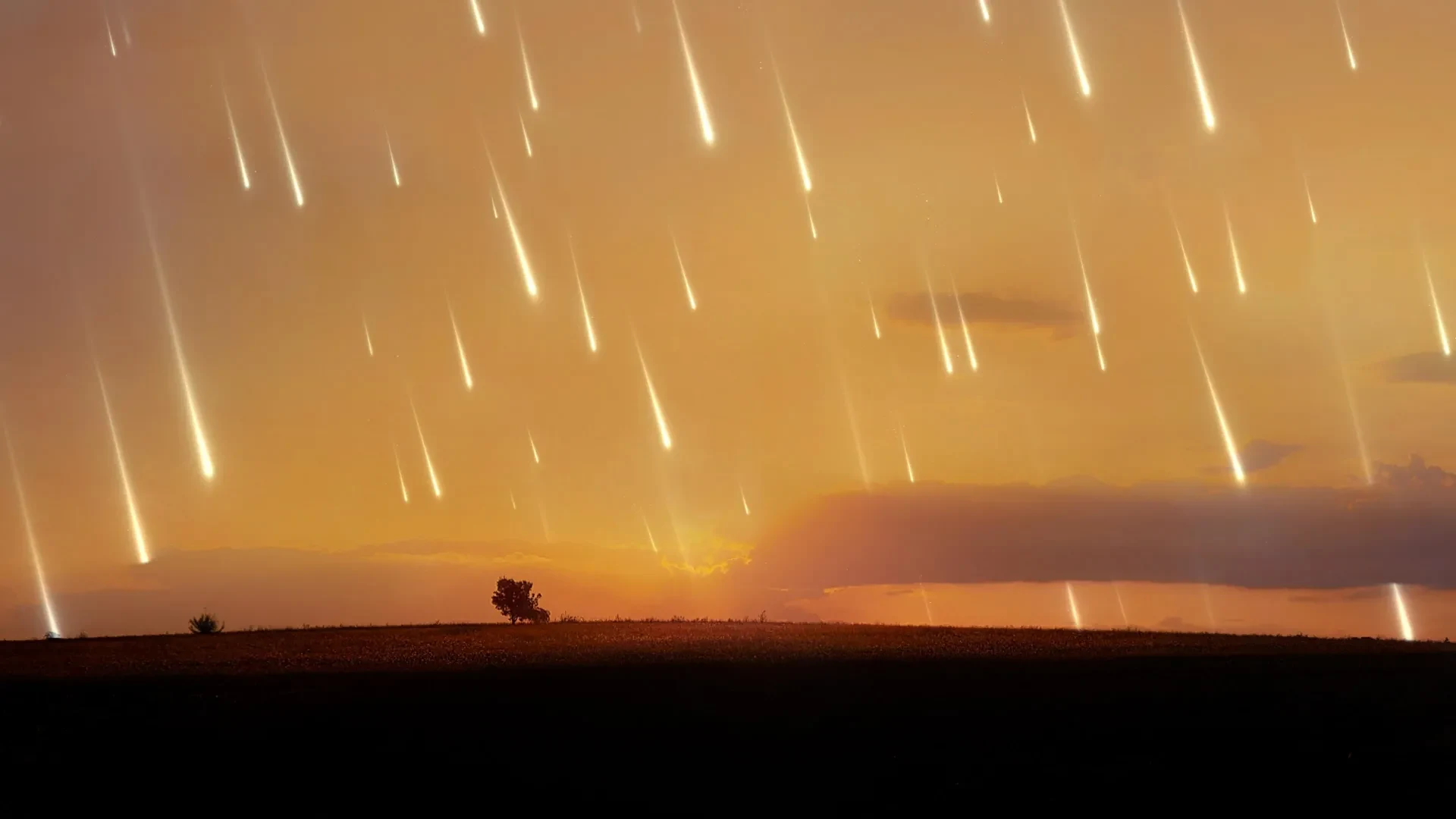
The Taurid meteor shower is an annual event, easily spotted during autumn nights, which originates from the debris of Comet 2P/Encke. Each year, the shower is noted for its bright, slow-moving fireballs seen across the night sky.
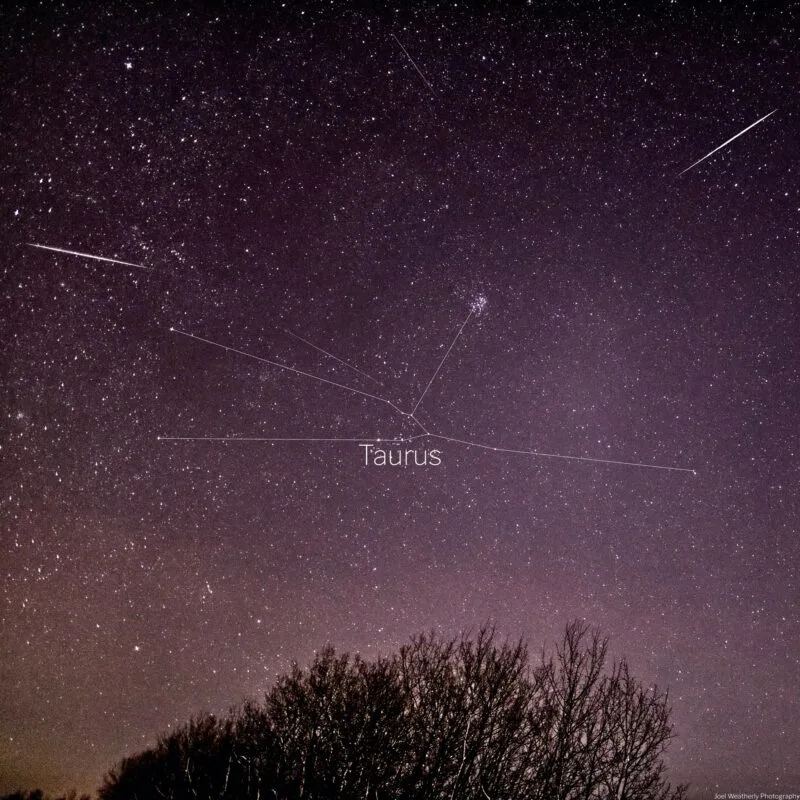
The Taurids are divided into two streams: the Southern Taurids (active September 10–November 20) and Northern Taurids (October 20–December 10). Royal Museums Greenwich reports low meteor rates but points out their distinctive, impressive fireballs.
This year, the best displays are expected around mid-November, but moonlight could obscure the dimmer meteors (Space.com).
Keep up with the story. Subscribe to the PR+ free daily newsletter
Source:
EarthSky
Scientific Attention and Impact Hazards
Research led by Mark Boslough and other experts warns of increased risks during rare Taurid "swarm" years, when Earth crosses denser bands of comet debris. Swarm years like 2032 and 2036 could bring larger fragments, some meters across, raising chances of significant impacts.
Planetary defense teams use sophisticated modeling and dedicated sky surveys to monitor these threats (American Meteor Society). These efforts aim to provide early warnings if any hazardous objects are detected.
“Preparedness is vital, but so is precision. Risks should be weighed using data, not speculation,” experts emphasize.
Read More


Source:
http://Phys.org
Public Preparedness and Accurate Information
With the approach of Taurid swarms, scientists highlight the importance of credible information. Some online sources exaggerate asteroid threats, leading to unnecessary fear. Authorities urge following updates from reputable astronomy organizations for facts and safety tips.
Key Points for Skywatchers
Find a dark, open sky for best watching between midnight and dawn.
Be alert for fireball activity, especially when both Southern and Northern Taurids overlap.
Check for the latest advisories and images on trusted sites such as Royal Museums Greenwich and Space.com.
Despite dramatic stories, scientists agree: Taurid swarms deserve attention and respect, but not panic.
What are the potential risks associated with Taurid swarms in 2032 and 2036?
Taurid swarms in 2032 and 2036 could increase the risk of large meteoroids entering Earth's atmosphere, potentially causing significant impacts, though such events remain rare.
How do scientists use planetary defense modeling to assess meteor shower threats?
What measures can be taken to prepare for potential Taurid swarms?
How does the Taurid meteor shower compare to other major meteor showers?
What misinformation about the Taurid meteor shower should skywatchers be aware of?
Share this news: