
Recent












Celebrity chef Bobby Flay warns that restaurants must set high prices just to break even, reflecting an industry-wide crisis of profitability driven by surging food, labor, and rent costs.

October 4, 2025

Source:
MarketWatch
The Price of a Meal: A Profitability Crisis
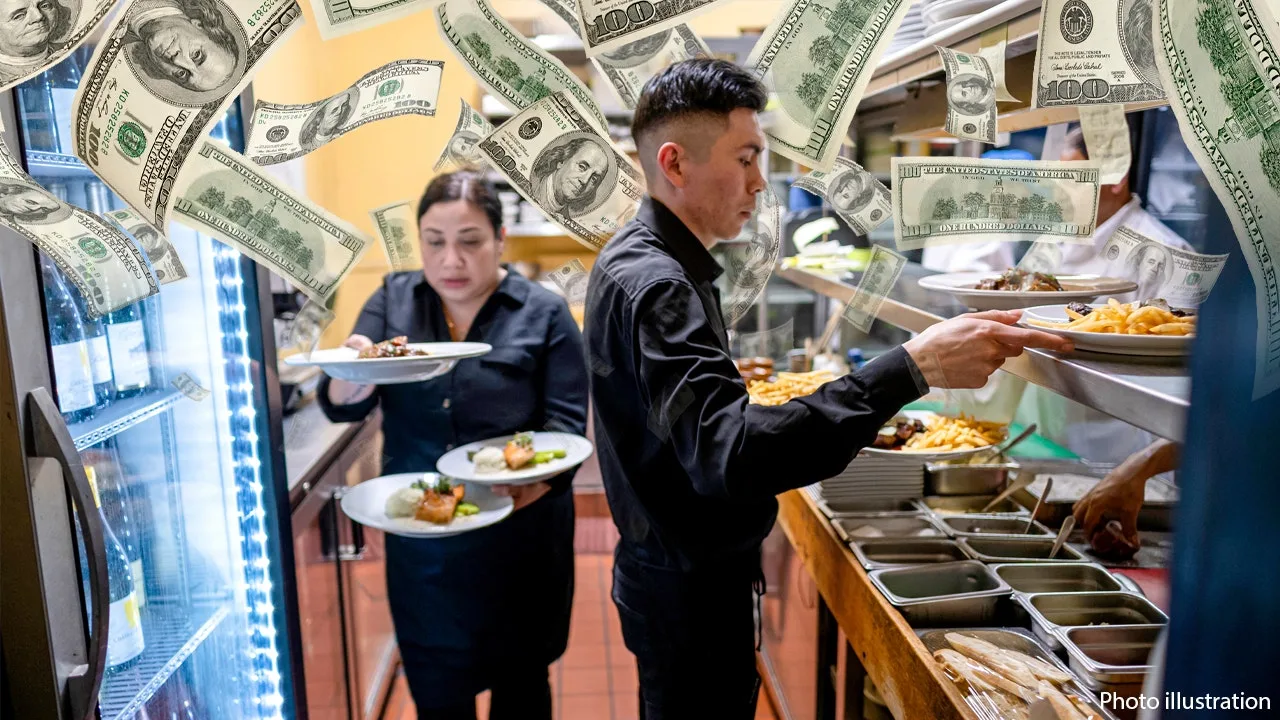
Celebrity chef Bobby Flay has issued a stark warning: restaurants must charge high prices simply to break even. This reflects a deepening crisis of profitability across the industry as operators face mounting financial pressures.
Most restaurants are not making significant profits. Many are barely covering expenses or are actively losing money, a situation Flay highlighted in recent media appearances.
Surging Operational Costs
The core of the issue lies in three key areas of expenses:
Labor Costs: Proposed minimum wage hikes, such as a $30/hr rate in New York, combined with staff shortages have drastically increased payroll expenses.
Food Costs: Since 2020, the average restaurant has seen a 35% increase in food costs. According to a Business Insider series, chefs note that even staples like vegetables are now priced "like caviar."
Occupancy Costs: High rents in urban centers and unpredictable utility and repair bills create massive fixed costs that can destroy a budget, as detailed by chefs in Philadelphia Magazine.
Keep up with the story. Subscribe to the PR+ free daily newsletter

Source:
Fox Business
An Industry-Wide Struggle
This financial strain is not limited to high-end establishments. The crisis affects everyone from local mom-and-pop shops to Michelin-starred restaurants. While fine dining venues cannot easily cut costs without compromising the guest experience, casual spots are also highly vulnerable.
Existential Challenges in 2025
Media outlets forecast that labor costs, tipping norms, and delivery fees will pose an existential threat to the industry this year. These factors combine to squeeze already thin margins, making day-to-day operations a constant battle for survival.
The Unpredictability Factor
Chef Nich Bazik explained how carefully planned budgets can be shattered by sudden price hikes on critical ingredients or unexpected equipment failures. Even renowned chefs report a noticeable decline in reservations, particularly from international tourists, as economic pressures affect consumer spending habits. This proves that a prestigious reputation alone cannot guarantee survival in the current climate.
Read More


Source:
Fox Business
Strategies for Survival
In response to these challenges, chefs and restaurant owners are being forced to adapt and innovate. Survival depends on finding new ways to manage costs and attract diners willing to pay higher prices.
Innovating the Dining Experience
Many chefs are pivoting to more approachable menus and focusing on creating a unique atmosphere. By turning a meal into a "celebratory" event, restaurants can better justify elevated prices and build a loyal customer base.
Strategic Retreat and Expansion
Some operators are looking for financial relief by moving away from high-cost urban areas. Bobby Flay, for example, is expanding his Bobby’s Burgers chain into lower-cost markets like Canada, signaling a strategic retreat from cities where profitability has become unattainable.
A Resilient but Threatened Industry
The restaurant industry has a history of resilience, but the current pressures are unprecedented. While some are finding creative ways to adapt, many others are closing their doors or relocating. The ones that survive will be those who can successfully balance innovation, cost management, and the high-quality experience customers still expect.
How are restaurants adapting to rising labor costs?
Restaurants are forced to raise menu prices significantly in response to rising labor costs, which include minimum wage hikes and demands for better pay. Some, like Chef Bobby Flay, are also adapting by strategically expanding their brands into markets with lower operational and labor costs.
What strategies are chefs using to keep menu prices affordable?
How are high rents impacting the profitability of restaurants?
What are some innovative ways restaurants are attracting customers?
How do rising food costs affect the overall dining experience?
Share this news: