Press release distribution isn't complicated, but doing it right makes the difference between getting featured on major news sites and wasting your time. Here's exactly how to distribute a press release that gets results.
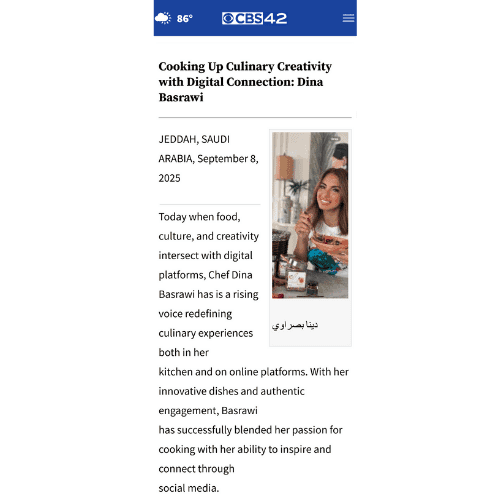

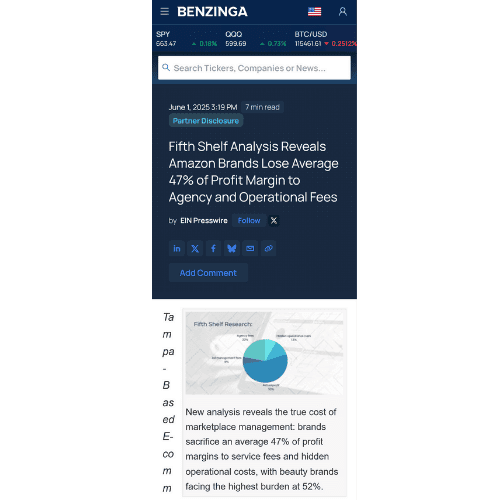
Press release distribution means getting your news published on multiple media outlets simultaneously. Instead of emailing journalists one by one (which rarely works), you use distribution networks that push your content to hundreds of news sites, journalist databases, and search engines at once.
The goal: Get your story on legitimate news sites that build credibility, improve SEO through backlinks, and put your business in front of potential customers.


Build your own media list. Find reporter emails. Pitch individually. Success rate: Less than 2%. Time required: 20+ hours per release. Not recommended unless you have existing relationships.
Sites like PRLog or OpenPR publish anything. The problem: No editorial standards mean your news sits next to spam. Google ignores these sites. Journalists never read them. Zero SEO value.
Services like Cision or PRWeb let you submit directly for $200-$2,000. You write everything, handle formatting, manage technical requirements. Good option if you know PR writing and have time to learn their systems.
Traditional agencies charge $300-$500 per release. They use the same distribution networks available to everyone but add account management, strategy meetings, and overhead costs. Great if you have budget and need ongoing PR support.
Public relations trade outlets such as PRWeek regularly cover these pricing structures.
Companies like PR.PLUS handle writing and distribution for a flat fee. See our pricing options for comparison. We access the same networks as agencies but skip the expensive extras. Best for businesses that need professional results without agency prices.


AP News (Associated Press)
The gold standard. Reaches 35 million monthly visitors. Content gets picked up by thousands of other outlets. If you hit nothing else, hit this one. Independent research like MediaRank highlights why AP consistently scores as a credible outlet.
Google News
Direct feed means immediate indexing. Your press release shows up in Google News searches. Critical for SEO and visibility.
Bloomberg Terminals
Where investors and financial professionals get information. Essential if you're seeking funding or targeting B2B markets.
Network Affiliates
Local NBC, CBS, FOX, ABC sites. Not the main networks, but legitimate news sites with real authority. These create the "As Seen On" badges you see on websites.
Industry Publications
Trade publications specific to your sector. Better to be in one relevant publication than 50 irrelevant ones.
Step 1: Write Your Press Release
400-600 words optimal length
Newsworthy angle in headline
Go beyond facts by weaving in brand storytelling—this makes your announcement more engaging for journalists and readers
Answer who, what, when, where, why in first paragraph
Include quotes from company leadership
Add contact information
Follow AP style guidelines
For additional guidance, Harvard also shares helpful press release tips.
Step 2: Choose Target Markets
Select 2-3 countries for international reach
Pick 5 relevant industries for targeted coverage
Choose 1 local market for regional presence
Avoid spray-and-pray distribution
You can browse our curated distribution list for reference.
Step 3: Optimize for Search
Include primary keywords naturally
Add structured data markup
Use clear, descriptive headlines under 60 characters
Include alt text for images
Create SEO-friendly URLs
Step 4: Submit for Distribution
Select distribution date and time (Tuesday-Thursday, 10 AM EST performs best)
Choose distribution channels
Pay distribution fees
Wait for editorial approval
Step 5: Track Results
Monitor live links as they appear
Screenshot major placements
Track referral traffic in Google Analytics
Document domain authority of linking sites
Save distribution report for records


Immediate Metrics (Day 1-7)
Number of pickups
Quality of placements
Geographic reach
Industry coverage
SEO Metrics (Month 1-3)
Backlink quality scores
Domain authority improvement
Keyword ranking changes
Referral traffic volume
Business Metrics (Month 3-6)
Lead quality improvement
Conversion rate changes
Brand search volume
Media kit usage
Research shows measurable SEO impact from scientometric analysis of press releases
Many businesses showcase As Seen On badges from outlets like AP News or NBC, which directly boost trust and conversions.
Businesses with press coverage see 30% higher conversion rates. News backlinks improve domain authority 15-20% within six months. "As Seen On" badges increase homepage conversions by 48% on average.
Compare that to paid ads that stop working when budgets end. Press releases create permanent assets that compound value over time.
If you’re wondering how to get featured on major outlets, the answer is consistent distribution paired with real news angles.
Start with one quality release. Test different angles to see what gets picked up. Track which placements drive traffic. Refine your approach based on data. If you’re new, check our special offer to get started affordably.
Remember: Distribution is just delivery. Success comes from having something worth delivering. Focus on real news, clear writing, and strategic timing.
Most businesses overthink press releases. Write clear news. Choose targeted distribution. Track results. Repeat what works.
The businesses winning with press releases aren't doing anything magical. They're just doing the basics consistently while their competitors debate whether it's worth trying.
Get Featured on 500+ News Sites
Make Headlines, Not Noise: Share Your Story With the World. Our team ensures your news reaches trusted outlets that build real credibility.